Uncategorized

Essential Microwave Oven Maintenance Tips for Every Home

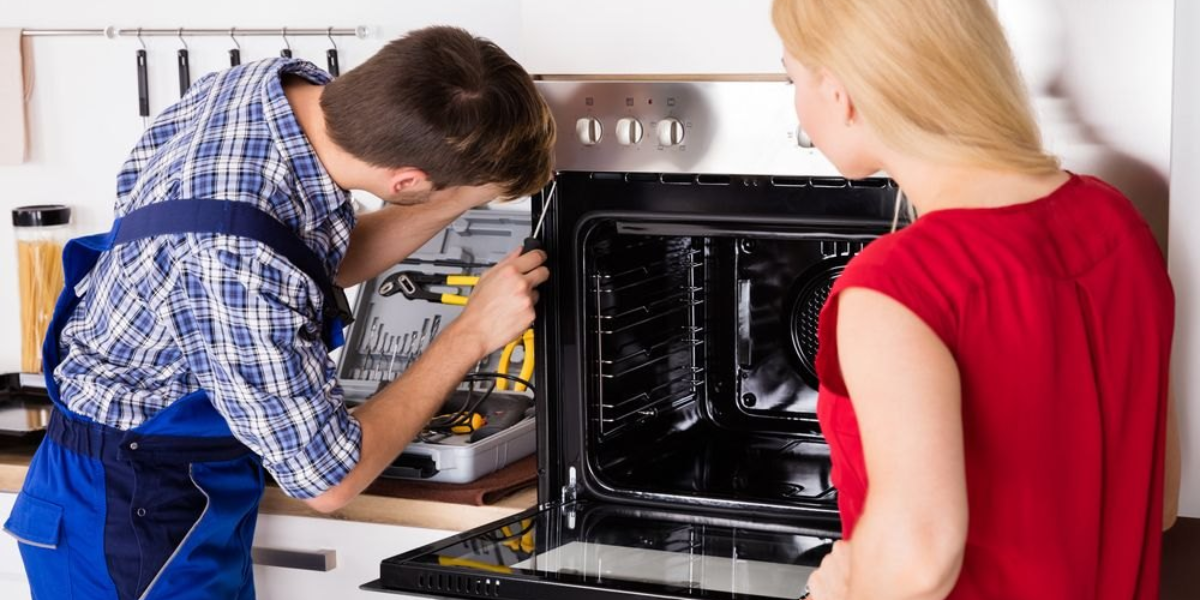
Microwave ovens have become one of the most essential appliances in modern kitchens. From reheating leftovers to preparing quick meals, this compact appliance saves time and effort in everyday cooking. In many homes, the microwave oven is used several times a day, making it one of the most relied-upon kitchen devices. However, like any other appliance, a microwave oven requires regular maintenance to ensure it functions efficiently and safely for many years. Proper care not only extends the lifespan of the appliance but also prevents unexpected breakdowns and costly repairs. Many homeowners assume that microwave ovens require little or no maintenance because they appear simple to operate. In reality, frequent use without proper cleaning and care can lead to reduced efficiency, unpleasant odors, food contamination, and even mechanical problems. Food splatters, grease buildup, blocked ventilation, and electrical issues are common problems that arise when maintenance is neglected. Understanding a few essential microwave oven maintenance practices can help every household keep their appliance in excellent working condition. Regular attention to cleanliness, safe usage habits, and periodic inspections can significantly improve microwave performance. Proper maintenance also ensures that food is heated evenly, prevents damage to internal components, and helps maintain energy efficiency. A well-maintained microwave oven not only works better but also contributes to a healthier kitchen environment. One of the most important aspects of microwave oven maintenance is keeping the interior clean. During everyday use, food particles and liquids often splash onto the walls, ceiling, and turntable of the microwave. If these residues are not cleaned promptly, they can harden and become difficult to remove. Over time, accumulated grease and food debris can interfere with the microwave’s ability to distribute heat evenly. This may result in uneven cooking or heating of food. Regular cleaning helps prevent this issue and ensures that the microwave performs efficiently. Cleaning the microwave interior should be done frequently using mild cleaning solutions and soft cloths or sponges. Harsh chemicals and abrasive scrubbers should be avoided, as they may damage the interior surface. A simple cleaning method involves heating a bowl of water mixed with lemon juice or vinegar inside the microwave for a few minutes. The steam produced helps loosen hardened food particles, making them easier to wipe away. Once the interior is cool, surfaces can be gently wiped clean to remove grease and residue. Another important component that requires regular cleaning is the microwave turntable. The glass turntable plays a crucial role in ensuring even cooking by rotating the food during the heating process. When food spills occur, they often collect beneath the turntable or along the rotating ring. If not cleaned regularly, these spills can interfere with smooth rotation and cause unusual noises or uneven heating. Removing the turntable periodically and washing it with warm soapy water helps maintain smooth operation. Maintaining the microwave door is equally important for safety and efficiency. The door contains a sealing mechanism designed to prevent microwave radiation from escaping during operation. Dirt, grease, and food particles can accumulate around the door edges and seals. If these areas are not cleaned properly, the door may not close tightly, which can affect the microwave’s performance. Wiping the door seals and edges with a damp cloth helps ensure a secure closure and maintains safe operation. Proper ventilation is another essential factor in microwave maintenance. Microwave ovens generate heat while operating, and adequate ventilation helps prevent overheating. Most microwaves have ventilation openings on the sides or back of the unit. These vents allow heat to escape and keep internal components cool. When vents become blocked by dust, grease, or nearby objects, airflow is restricted. Poor ventilation can lead to overheating and may damage sensitive electronic components inside the appliance. Keeping the area around the microwave clear and ensuring that ventilation openings remain unobstructed helps maintain proper airflow. Periodically wiping the vents and surrounding surfaces removes accumulated dust and grease. This simple practice helps the microwave operate safely and prevents overheating problems that could shorten the appliance’s lifespan. Safe usage habits also play a significant role in microwave maintenance. Many common microwave problems occur due to improper use rather than mechanical failure. Using inappropriate containers, overheating certain foods, or running the microwave empty can cause damage to internal components. Understanding the correct way to operate the microwave can prevent these issues and keep the appliance functioning properly. Only microwave-safe containers should be used when heating or cooking food. Containers made from certain plastics, metals, or aluminum foil can cause sparks or chemical contamination when exposed to microwave energy. Glass and ceramic containers labeled as microwave-safe are generally the safest options. Using the correct containers helps protect both the microwave and the food being prepared. Another important practice is avoiding the operation of an empty microwave. When the microwave runs without food or liquid inside, the energy produced has no material to absorb it. This energy may reflect back toward the magnetron, which is the component responsible for generating microwave energy. Continuous reflection of energy can damage the magnetron and reduce the microwave’s lifespan. Ensuring that food or liquid is always present before starting the microwave helps protect internal components. Spills and food splatters should be cleaned immediately whenever possible. Fresh spills are much easier to remove than hardened residues that have been exposed to repeated heating cycles. Prompt cleaning also prevents unpleasant odors from developing inside the microwave. Food residues left inside the appliance can burn during subsequent uses, producing smoke or strong smells that affect the taste of freshly heated food. Regular inspection of the power cord and electrical connection is another essential maintenance step. The power cord should remain in good condition without visible fraying, cracks, or exposed wires. Damaged cords can pose electrical hazards and should be addressed immediately. The microwave should always be plugged into a stable power outlet that meets the appliance’s electrical requirements. Using extension cords or overloaded power strips may lead to electrical issues and should be avoided. Maintaining the microwave exterior is also important

Uncategorized

Why Professional Appliance Repair Is Better Than DIY Fixes

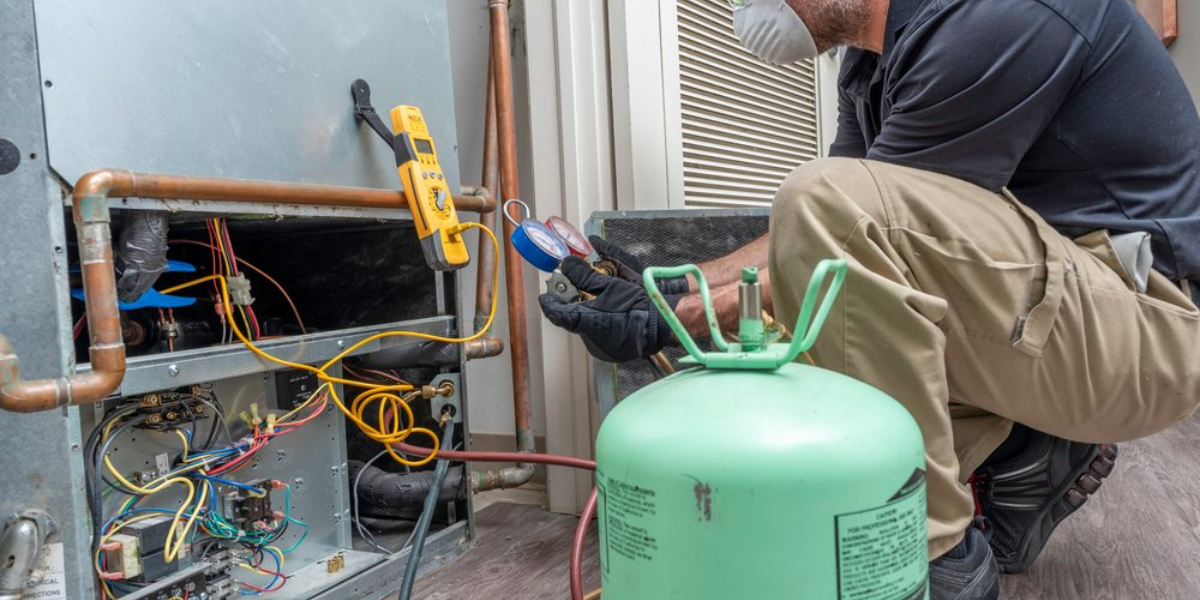
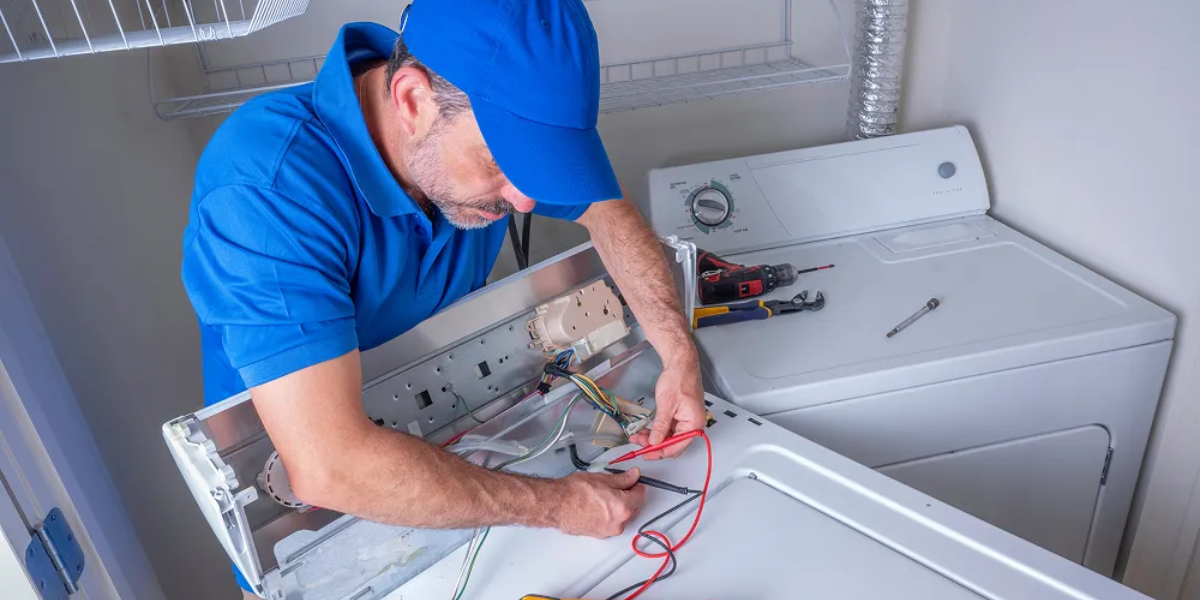
Home appliances have become an essential part of everyday life. From refrigerators that keep food fresh to washing machines that simplify laundry tasks, these devices provide comfort, convenience, and efficiency in modern households. However, like any mechanical or electrical equipment, appliances can occasionally malfunction or stop working properly. When this happens, many homeowners consider attempting a do-it-yourself repair before contacting a professional service technician. While DIY solutions may appear to save money or time initially, professional appliance repair often proves to be the safer, smarter, and more cost-effective choice in the long run. Professional appliance repair services are designed to diagnose problems accurately, fix issues efficiently, and restore appliances to optimal working condition. Experienced technicians possess the necessary training, specialized tools, and industry knowledge required to handle complex appliance systems. In contrast, DIY repairs often involve guesswork, limited knowledge, and the risk of making problems worse. Understanding the advantages of professional repair services can help homeowners make informed decisions when appliances begin to fail. One of the most significant advantages of professional appliance repair is expert knowledge and technical training. Modern appliances are far more complex than earlier models. Refrigerators, ovens, dishwashers, washing machines, and dryers now include advanced electronic controls, sensors, digital displays, and intricate mechanical systems. Diagnosing problems within these systems requires a deep understanding of appliance engineering and electrical components. Professional technicians undergo training to understand how different appliance models operate, how to identify faults, and how to perform repairs correctly. A homeowner attempting a DIY repair may rely on online videos, articles, or general advice that may not apply to the specific appliance model being used. Even small differences in design can lead to confusion or mistakes during repair attempts. Professionals, on the other hand, have experience working with a wide variety of brands and appliance models. This experience allows them to quickly identify the root cause of a malfunction rather than simply addressing the visible symptoms of a problem. Another important reason professional repair is preferable to DIY solutions is safety. Many home appliances operate using electricity, gas, or high-pressure water systems. Attempting to repair these systems without proper knowledge can be dangerous. Electrical shocks, gas leaks, fire hazards, and water damage are all potential risks when untrained individuals attempt to repair appliances. For example, repairing a refrigerator may involve handling electrical wiring and refrigerant components, while repairing a gas oven requires careful attention to gas connections and ventilation systems. Professional technicians follow strict safety procedures to ensure repairs are performed without putting the household at risk. They understand how to disconnect power sources, handle internal components safely, and test appliances after repairs are completed. This level of caution significantly reduces the likelihood of accidents or damage to the home. Accurate diagnosis is another major advantage of professional appliance repair services. When an appliance stops working, the underlying cause may not be immediately obvious. A washing machine that fails to spin properly might have issues related to the motor, belt, control board, or internal sensors. A refrigerator that stops cooling may have problems involving the compressor, thermostat, condenser coils, or evaporator fan. Without proper diagnostic tools and knowledge, it is easy to misidentify the problem and replace the wrong component. Professional technicians use specialized diagnostic equipment and testing procedures to determine exactly what is causing an appliance malfunction. This precise diagnosis ensures that repairs address the true source of the problem rather than temporary symptoms. As a result, professional repairs tend to last longer and prevent recurring issues that can occur when DIY fixes are based on guesswork. Time efficiency is another factor that highlights the benefits of professional repair services. Appliances play a crucial role in daily routines, and when they stop functioning properly, household activities can quickly become inconvenient. Attempting a DIY repair often involves researching the issue, watching tutorials, purchasing tools, ordering parts, and experimenting with different repair methods. This process can take several hours or even days, especially if the first attempt does not resolve the problem. Professional technicians, however, can often diagnose and repair appliances within a single service visit. Their familiarity with common appliance problems allows them to work efficiently and restore functionality as quickly as possible. This time savings is particularly valuable for appliances such as refrigerators or washing machines that are used frequently in daily life. Using proper tools and equipment is another area where professional repair services have a clear advantage. Appliance repair often requires specialized tools that are not commonly found in household toolkits. For example, technicians may use multimeters for electrical testing, refrigerant gauges for cooling systems, and manufacturer-specific tools for accessing internal components. Without these tools, performing accurate repairs can be extremely difficult. Professional technicians arrive prepared with the necessary tools and replacement parts required for common repairs. This preparation allows repairs to be completed more efficiently and with greater precision. DIY attempts, by contrast, may involve using improvised tools or incorrect parts, which can lead to further damage or incomplete repairs. Cost considerations often motivate homeowners to attempt DIY repairs, but professional repair services can actually be more cost-effective over time. A DIY attempt that fails or worsens the problem may require additional repairs later, increasing the overall cost. In some cases, incorrect repairs can damage expensive components such as compressors, control boards, or motors, leading to replacement costs that exceed the price of a professional service call. Professional technicians focus on fixing the problem correctly the first time. Their experience reduces the likelihood of repeated breakdowns or unnecessary part replacements. In addition, many professional repair services offer warranties on parts and labor. This warranty provides peace of mind and ensures that any issues related to the repair will be addressed without additional cost during the warranty period. Another benefit of professional appliance repair is the use of genuine replacement parts. Appliances are designed to function with specific components that meet manufacturer specifications. When performing a DIY repair, it can be difficult to determine which parts are compatible with the appliance

Uncategorized

Simple Tips to Extend the Life of Your Home Appliances

Home appliances have become an essential part of modern living. From refrigerators that preserve food to washing machines that simplify laundry tasks, these devices save time, effort, and energy every day. Because appliances play such an important role in daily routines, keeping them in good condition is extremely important. Many households invest significant amounts of money in appliances, expecting them to last for many years. However, without proper care and maintenance, even high-quality appliances may experience early wear and reduced efficiency. Extending the lifespan of home appliances does not always require complicated technical knowledge. Simple habits, regular maintenance, and careful usage can significantly improve the durability and performance of household devices. Small preventive actions taken regularly can reduce repair costs, prevent unexpected breakdowns, and ensure that appliances operate safely and efficiently for a long time. Understanding how appliances function and what affects their performance helps homeowners make smarter decisions regarding usage and maintenance. Dust buildup, electrical fluctuations, poor ventilation, overloading, and lack of cleaning are some of the most common reasons appliances fail earlier than expected. By addressing these issues and following a few practical tips, the life of most appliances can be extended considerably. One of the most important habits for maintaining home appliances is regular cleaning. Dust, grease, and debris accumulate over time and can interfere with the proper functioning of internal components. Appliances such as refrigerators, ovens, air conditioners, and washing machines operate more efficiently when their surfaces and vents remain clean. Regular wiping, dust removal, and cleaning of filters prevent dirt buildup that can cause overheating or reduced performance. Refrigerators are among the most frequently used appliances in any home. Proper refrigerator maintenance can significantly extend its lifespan. Keeping the refrigerator coils clean helps the cooling system function efficiently. When condenser coils become covered with dust, the refrigerator must work harder to maintain the desired temperature. This increased workload can cause the compressor to wear out faster. Cleaning the coils periodically ensures proper airflow and improves energy efficiency. Maintaining proper temperature settings inside the refrigerator is another important factor. When the temperature is set too low, the compressor runs continuously, which can lead to excessive energy consumption and premature wear. A balanced temperature setting keeps food fresh while reducing strain on the appliance. Avoiding overcrowding inside the refrigerator also helps maintain proper air circulation, allowing the cooling system to function effectively. Washing machines also require regular care to maintain long-term performance. Overloading the washing machine is one of the most common mistakes made in households. Excessive load places unnecessary strain on the motor, drum, and suspension system. Repeated overloading can cause mechanical damage, vibrations, and early component failure. Following recommended load limits ensures smoother operation and prevents unnecessary stress on the machine. Another important step in maintaining washing machines involves cleaning the detergent drawer and drum regularly. Detergent residue, lint, and moisture buildup can create unpleasant odors and even lead to mold formation. Running periodic cleaning cycles and wiping the interior helps maintain hygiene and ensures the machine operates efficiently. Leaving the washing machine door slightly open after use allows moisture to evaporate and prevents mold growth. Air conditioners are another major household appliance that requires consistent care. Filters inside air conditioning units collect dust and airborne particles during operation. When these filters become clogged, airflow is restricted and the system must work harder to cool the room. Cleaning or replacing air filters at regular intervals ensures efficient cooling and reduces energy consumption. Proper airflow also protects internal components from unnecessary stress. Ensuring proper ventilation around appliances is another key factor that contributes to longer appliance life. Many appliances generate heat while operating, including refrigerators, ovens, microwaves, and dryers. If appliances are placed too close to walls or enclosed spaces, heat cannot escape properly. Poor ventilation can lead to overheating, reduced efficiency, and component damage. Leaving adequate space around appliances allows heat to dissipate and improves overall performance. Electrical stability also plays a significant role in appliance longevity. Voltage fluctuations and sudden power surges can damage sensitive electronic components. Many modern appliances rely on digital control systems and circuit boards that are vulnerable to electrical instability. Using voltage stabilizers or surge protectors can protect appliances from sudden electrical spikes and prevent costly damage. Routine inspections help identify small issues before they become major problems. Strange noises, unusual vibrations, or changes in performance often indicate that an appliance requires attention. Addressing these warning signs early can prevent more serious mechanical failures. Professional servicing at appropriate intervals also ensures that internal components remain properly calibrated and functional. Kitchen appliances such as ovens, microwaves, and dishwashers also benefit from regular cleaning and careful usage. Grease buildup inside ovens can reduce heating efficiency and create unpleasant odors. Wiping interior surfaces and removing food residue helps maintain proper heating performance. Similarly, microwave ovens should be cleaned regularly to prevent food particles from accumulating and interfering with the appliance’s operation. Dishwashers require proper loading and periodic filter cleaning to function efficiently. Placing dishes in a way that blocks spray arms can reduce cleaning effectiveness and place additional strain on the pump system. Removing food debris from dishwasher filters ensures proper water circulation and prevents clogging. Routine cleaning helps maintain hygiene and extends the life of the appliance. Another useful habit that contributes to appliance longevity involves using the correct cleaning products and detergents. Harsh chemicals or incorrect detergents can damage internal parts, seals, and surfaces. Using products recommended for each appliance type ensures safe operation and prevents corrosion or deterioration of components. Door seals and gaskets also require attention during appliance maintenance. Refrigerators, ovens, and washing machines rely on tight seals to maintain temperature and prevent leaks. Over time, seals may accumulate dirt or become worn. Cleaning and inspecting seals regularly ensures that appliances operate efficiently without wasting energy or allowing moisture to escape. Proper installation also plays a critical role in the long-term performance of home appliances. Appliances installed on uneven surfaces may experience vibrations and mechanical stress. Washing machines,

Uncategorized

How Regular AC Maintenance Can Save Energy and Money

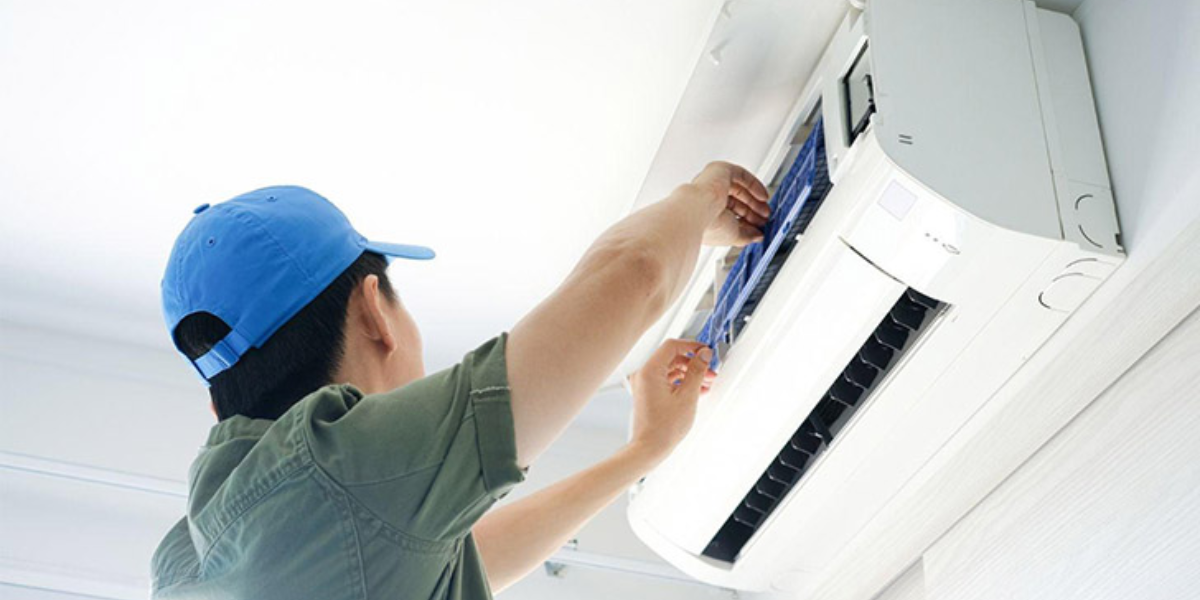
Air conditioning systems have become an essential part of modern homes and workplaces, especially in regions that experience high temperatures for most of the year. During the hot summer months, air conditioners provide comfort, improve indoor air quality, and create a pleasant living environment. However, many homeowners often overlook one important aspect of owning an air conditioner, which is regular maintenance. Without proper maintenance, even the most advanced air conditioning system can lose efficiency, consume more electricity, and lead to higher repair costs over time. Regular AC maintenance is not simply about keeping the system clean; it plays a major role in saving energy and reducing overall expenses. When an air conditioning system operates day after day without proper care, dust, dirt, and debris slowly accumulate inside the unit. These small particles may seem harmless at first, but they gradually affect the performance of critical components such as filters, coils, and fans. As a result, the system has to work harder to cool the indoor space. When an AC unit struggles to perform its basic function, it consumes more electricity than necessary. Increased electricity usage naturally leads to higher energy bills, which can become a financial burden over time. Routine maintenance ensures that every part of the air conditioner functions efficiently, helping reduce unnecessary power consumption. Energy efficiency is one of the most important benefits of maintaining an air conditioner regularly. A well-maintained system requires less effort to cool a room because the internal components operate smoothly. Clean filters allow air to flow freely, coils transfer heat effectively, and the compressor operates under normal pressure. When all these parts work together properly, the cooling process becomes faster and more efficient. This improved efficiency directly reduces electricity consumption. Even a small improvement in energy efficiency can make a noticeable difference in monthly utility bills, especially in households that rely heavily on air conditioning. One of the most common issues in poorly maintained air conditioners is clogged air filters. Air filters are responsible for trapping dust, pollen, and other airborne particles before the air circulates inside the room. Over time, these filters become filled with debris, restricting airflow through the system. When airflow becomes restricted, the air conditioner must run longer to achieve the desired temperature. This prolonged operation consumes more energy and puts additional strain on the internal components. Regular maintenance includes cleaning or replacing these filters, which helps restore proper airflow and improves cooling efficiency. Another important component that benefits from regular maintenance is the evaporator coil. The evaporator coil plays a crucial role in the cooling process by absorbing heat from indoor air. When dust and dirt accumulate on the surface of the coil, its ability to absorb heat decreases significantly. As a result, the air conditioner cannot cool the air as effectively as it should. The system compensates by running for longer periods, increasing electricity consumption and causing unnecessary wear on the compressor. Professional maintenance ensures that evaporator coils remain clean and capable of performing their function efficiently. The condenser unit, typically located outside the building, also requires regular attention. This component releases the heat that is removed from indoor air. Outdoor units are constantly exposed to environmental elements such as dust, leaves, insects, and debris. Over time, these materials can block airflow around the condenser coils. When airflow is obstructed, heat cannot escape efficiently, causing the system to overheat and work harder. Regular cleaning and inspection of the outdoor unit help maintain proper heat exchange and prevent energy waste. Financial savings from regular AC maintenance extend beyond energy bills. Preventive maintenance helps detect minor issues before they develop into major problems. Small issues such as loose electrical connections, refrigerant leaks, or worn-out components may not seem serious initially. However, if these problems remain unnoticed, they can eventually cause system failure or expensive repairs. Routine inspections allow technicians to identify these early warning signs and address them promptly. This proactive approach significantly reduces the likelihood of unexpected breakdowns and costly repair bills. Another financial advantage of maintaining an air conditioning system is extending its lifespan. Air conditioners are significant investments, and replacing them can be expensive. A neglected AC unit often experiences frequent breakdowns and mechanical stress, which shortens its operational life. Components such as compressors and motors may fail prematurely when the system operates under constant strain. Regular maintenance reduces this strain by ensuring smooth operation, allowing the system to function reliably for many years. Extending the lifespan of the unit delays the need for costly replacements and provides long-term financial benefits. Comfort inside the home is another important factor influenced by proper AC maintenance. A poorly maintained air conditioner may struggle to maintain consistent temperatures throughout the house. Some rooms may feel warmer while others become excessively cold. These temperature fluctuations often occur because of restricted airflow or inefficient cooling components. Routine maintenance ensures that the system distributes air evenly and maintains the desired temperature consistently. This improved comfort level enhances the overall living experience. Indoor air quality is closely connected to the condition of an air conditioning system. Dust, mold spores, and allergens can accumulate inside the system when maintenance is neglected. As the air conditioner circulates air throughout the home, these contaminants may spread into the indoor environment. Poor indoor air quality can lead to allergies, respiratory issues, and other health concerns. Cleaning filters, coils, and ducts during maintenance helps remove these contaminants and ensures cleaner, healthier air inside the home. Refrigerant levels also play a vital role in AC efficiency. Refrigerant is the substance responsible for absorbing and releasing heat during the cooling process. If refrigerant levels drop due to leaks or improper installation, the air conditioner cannot perform efficiently. Low refrigerant levels force the compressor to work harder, increasing energy consumption and risking serious mechanical damage. Regular maintenance includes checking refrigerant levels and ensuring that the system operates within the correct pressure range. This simple step protects the compressor and maintains optimal cooling performance. Electrical components within an air conditioning system

Uncategorized

Signs Your Washing Machine Needs Immediate Repair

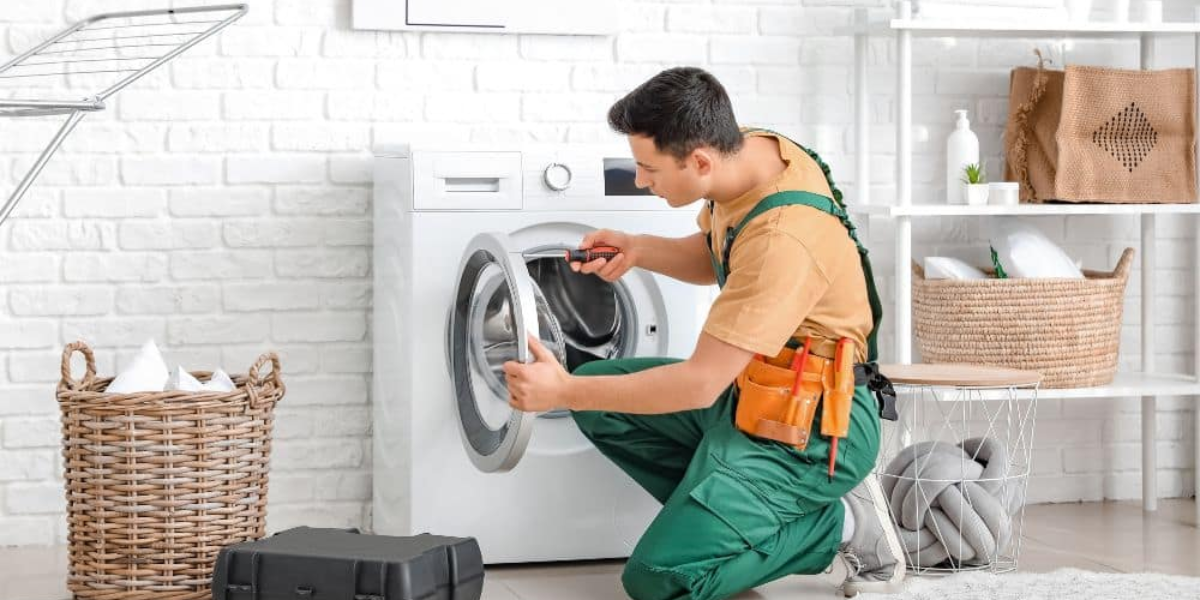
Washing machines have become an essential part of modern households. From busy families to individuals with demanding schedules, this appliance plays a crucial role in maintaining cleanliness and convenience in daily life. A properly functioning washing machine saves time, energy, and effort by handling large loads of laundry efficiently. However, like any mechanical device, washing machines can experience wear and tear over time. Ignoring early warning signs can lead to serious damage, expensive repairs, or even the need for a full replacement. Recognizing the symptoms of a malfunctioning washing machine is important for maintaining the appliance and ensuring that laundry tasks continue smoothly. Understanding the signs that indicate immediate repair can help prevent bigger problems and extend the lifespan of the machine. One of the most common signs that a washing machine requires immediate repair is unusual noise during operation. While washing machines naturally produce some level of sound during washing and spinning cycles, loud banging, grinding, or screeching noises are not normal. These sounds may indicate problems with internal components such as the drum bearings, motor, belt, or suspension system. A loud banging noise can occur when the drum becomes unbalanced or when the internal support structure begins to fail. Grinding sounds might suggest that metal parts are rubbing against each other due to worn bearings or damaged mechanical components. Ignoring these noises can result in severe damage to the machine’s internal structure, making timely repair extremely important. Another important warning sign is excessive vibration during operation. Washing machines, particularly during the spin cycle, may vibrate slightly as the drum rotates at high speeds. However, if the appliance begins shaking violently, moving across the floor, or producing intense vibrations, this indicates a serious problem. Excessive vibration may result from an unbalanced drum, damaged suspension rods, worn shock absorbers, or uneven flooring. Continuous operation in this condition can cause further mechanical damage, loosen internal parts, and even damage surrounding furniture or flooring. Immediate inspection and repair can prevent more complicated mechanical failures. Water leakage is another clear indication that a washing machine requires urgent attention. A properly functioning washing machine should not leak water during any stage of the washing process. If water begins pooling around the appliance or dripping from the bottom, this may signal a damaged hose, loose connection, worn door seal, or cracked internal component. Leaks can occur during the filling phase, washing cycle, or draining stage. Continuous leakage not only wastes water but also increases the risk of water damage to floors, walls, and nearby electrical systems. Moisture accumulation can also lead to mold growth, which may create unpleasant odors and health concerns. Repairing the source of the leak quickly can prevent costly structural damage to the surrounding environment. A washing machine that fails to start is another major indicator that repair is necessary. When the appliance does not respond after pressing the power button or selecting a cycle, several potential issues may be responsible. Electrical problems such as faulty wiring, damaged control panels, malfunctioning timers, or defective door switches can prevent the machine from operating. In some cases, the problem may be related to the power supply or internal circuit components. Since washing machines rely on multiple electronic and mechanical systems working together, failure in any one of these components can disrupt the entire operation. Immediate diagnosis and repair ensure that the appliance returns to proper working condition without causing further electrical damage. Failure to drain water properly is another sign that the washing machine needs attention. After completing a washing cycle, the machine should efficiently drain dirty water from the drum. If water remains inside the drum or drains slowly, the problem may involve a clogged drain hose, blocked pump filter, damaged pump motor, or internal obstruction. Standing water inside the drum can cause unpleasant odors and may lead to bacterial growth on clothing. Over time, drainage issues can place additional strain on the pump system and result in permanent mechanical damage. Addressing drainage problems quickly helps maintain hygiene and ensures that future wash cycles operate effectively. Clothes coming out of the washing machine excessively wet is another indicator that the appliance is not functioning properly. During the spin cycle, the washing machine should remove most of the water from clothes before the drying stage. If garments remain soaked after the cycle completes, the spin function may not be working correctly. This issue can occur due to a faulty motor, damaged drive belt, worn bearings, or malfunctioning control board. When the spin cycle fails, the machine cannot properly extract water, leaving laundry damp and requiring additional drying time. Immediate repair is necessary to restore proper spinning performance and avoid increased electricity usage from prolonged drying. Strange or unpleasant odors coming from the washing machine are also a sign that maintenance or repair is required. Over time, residue from detergent, fabric softener, dirt, and lint can accumulate inside the drum, hoses, and internal components. If not cleaned regularly, this buildup can lead to mold and mildew growth inside the machine. The presence of foul smells may indicate poor drainage, bacterial growth, or stagnant water trapped within the appliance. Odors may also transfer to clothing during the washing process, leaving garments smelling unpleasant even after cleaning. Professional inspection and cleaning may be required to eliminate the source of contamination and restore proper hygiene. Another warning sign that requires immediate attention is when the washing machine stops mid-cycle. A properly functioning washing machine should complete each stage of the washing process without interruption. If the machine suddenly stops during washing, rinsing, or spinning, this could indicate a problem with the timer, control board, door lock mechanism, or electrical system. Interrupted cycles may also occur if sensors detect internal errors or mechanical failures. When the appliance repeatedly stops before completing cycles, laundry remains unfinished and water may remain trapped inside the drum. Immediate repair ensures that the washing machine can operate through its full cycle safely and efficiently. A washing machine door that refuses to lock or

Uncategorized

Common Refrigerator Problems and How to Fix Them

A refrigerator is one of the most essential appliances in any home. It operates continuously to keep food fresh, beverages cold, and ingredients safe for consumption. Because it runs almost twenty-four hours a day, minor issues can gradually develop over time. Many homeowners experience problems such as cooling failures, unusual noises, water leaks, or frost buildup. Understanding the common refrigerator problems and how they occur can help prevent food spoilage, reduce energy consumption, and extend the life of the appliance. Regular maintenance and timely service can ensure that a refrigerator performs efficiently for many years.   One of the most common refrigerator problems is insufficient cooling. When a refrigerator fails to keep food cold enough, it can lead to food spoilage and unpleasant odors. Several factors can cause this issue, including dirty condenser coils, incorrect thermostat settings, blocked air vents, or malfunctioning fans. Condenser coils located at the back or bottom of the refrigerator release heat generated during the cooling process. Over time, dust and debris accumulate on these coils, reducing their efficiency. Cleaning the coils periodically using a brush or vacuum can restore proper cooling performance. Adjusting the thermostat to the recommended temperature range, typically between three and five degrees Celsius for the refrigerator section, can also improve cooling efficiency.   Another frequent issue involves excessive frost buildup inside the freezer compartment. Frost accumulation can reduce storage space and interfere with proper air circulation. In frost-free refrigerators, an automatic defrost system prevents ice buildup. If this system fails, frost can accumulate on the evaporator coils and walls of the freezer. Possible causes include a faulty defrost heater, malfunctioning defrost timer, or defective temperature sensor. In some cases, simply defrosting the refrigerator manually and allowing the ice to melt can temporarily resolve the problem. However, if frost returns quickly, professional service may be required to inspect and replace faulty components.   Water leakage around the refrigerator is another common problem faced by many households. Puddles of water on the floor can result from a clogged or frozen defrost drain. During the defrost cycle, melted frost flows through a drain tube into a drain pan located beneath the refrigerator. If the drain tube becomes blocked with food particles or ice, water may overflow and leak onto the floor. Clearing the drain tube with warm water or a flexible cleaning tool can restore proper drainage. Checking that the refrigerator is level can also help prevent water from pooling inside compartments.   Unusual noises coming from a refrigerator often cause concern among homeowners. While refrigerators normally produce low humming sounds during operation, loud rattling, buzzing, or clicking noises may indicate a problem. These sounds may originate from the compressor, evaporator fan, or condenser fan motor. Dust buildup around the fan blades can cause vibrations and noise. Cleaning these components can reduce the sound and improve airflow. In some situations, loose components or worn-out fan motors may require replacement by a technician to restore quiet operation.   A refrigerator that runs continuously without turning off is another issue that can increase electricity bills and shorten appliance lifespan. Continuous operation may occur when the refrigerator struggles to maintain the desired temperature. Dirty condenser coils, poor door sealing, or high room temperatures can contribute to this problem. The door gasket, which forms an airtight seal when the refrigerator door is closed, may become cracked or loose over time. When warm air enters the refrigerator through gaps in the seal, the compressor must work harder to maintain cooling. Inspecting and replacing damaged door gaskets can significantly improve efficiency.   Temperature fluctuations inside the refrigerator compartment are also a common concern. Some areas may become excessively cold while others remain too warm. Uneven temperature distribution often results from blocked air vents or overloading the refrigerator with food items. Refrigerators rely on proper air circulation to maintain consistent temperatures. Storing food directly in front of air vents can restrict airflow and cause cooling problems. Rearranging items to allow air to circulate freely can improve temperature balance throughout the refrigerator.   Another issue that many users encounter is ice maker malfunction. Modern refrigerators often include built-in ice makers for convenience. When the ice maker stops producing ice, it may be due to a clogged water supply line, faulty water inlet valve, or frozen fill tube. Checking the water connection and ensuring that the water supply valve is fully open can help restore functionality. If the ice maker continues to malfunction, replacing the water inlet valve or resetting the ice maker system may be necessary.   Bad odors inside the refrigerator can also indicate a problem that needs attention. Food spills, spoiled items, and trapped moisture can create unpleasant smells that linger inside compartments. Removing expired food, cleaning shelves with mild detergent, and placing odor-absorbing materials such as baking soda inside the refrigerator can help eliminate unwanted odors. Maintaining cleanliness and storing food in sealed containers can prevent odor buildup in the future.   A refrigerator that fails to start or suddenly stops working is another serious problem that may occur. This issue can result from electrical faults, damaged power cords, or malfunctioning start relays. Checking the power outlet and ensuring that the refrigerator is properly plugged in is the first step in diagnosing the issue. Sometimes power fluctuations can cause the refrigerator to stop functioning temporarily. Resetting the appliance by unplugging it for several minutes before reconnecting power can help restore operation. If the compressor fails to start despite adequate power supply, professional repair may be required.   Another problem that affects refrigerator performance is condenser fan failure. The condenser fan helps dissipate heat from the condenser coils. When the fan stops working, the refrigerator may overheat and lose cooling efficiency. Dust buildup, worn motor bearings, or electrical faults can prevent the fan from operating correctly. Cleaning the fan area and ensuring that the blades rotate freely can resolve minor issues. However, if the motor has failed, replacing the fan assembly may be necessary.   Refrigerator door problems can

©2026. All Rights Reserved.

Scroll to Top